Cost of Living in Palm Coast, Florida: What to Expect in 2026

Key Takeaway
Palm Coast is still generally below the national average overall, with housing relatively affordable — but utilities (especially city utility bills) can run higher than you'd expect. Your biggest "swing factors" are whether you buy vs. rent, which neighborhood you choose, and whether you're on city utilities or well/septic.
If you're considering a move to Palm Coast in 2026, you're probably asking the right question: "What does life actually cost month-to-month?" The short version:
- Overall cost of living: Palm Coast trends slightly below the national average and below the Florida average in many cost-of-living comparisons.
- Housing: Typically the biggest "swing factor." Palm Coast housing often lands below national norms, but your reality depends on whether you're buying, renting, or coming from a major metro.
- Utilities: Frequently higher than national averages — especially if you're on city water/wastewater/solid waste/stormwater billing.
Note on data: Costs change fast, and different sources measure "average" differently. I'm using current published 2026 market snapshots and cost-of-living calculators where available, and I'll call out ranges when sources disagree.
1) Housing Costs (The Biggest Line Item)
Buying a Home in Palm Coast (2026 Snapshot)
Recent market trackers show Palm Coast home values and prices in the mid-$300Ks range:
Zillow Average Home Value
$337,266
Redfin Median Sale Price (Jan 2026)
$358,500
Your monthly payment depends heavily on rate, down payment, insurance, and taxes. Two buyers can purchase similarly priced homes and end up with very different monthly costs.
Extra Housing Costs to Plan For (Often Overlooked in Florida):
- • Homeowners insurance — can be a major variable depending on age of roof, wind mitigation, flood zone, and carrier appetite
- • HOA fees — if applicable
- • Maintenance reserve — especially for older homes or homes near salt air
Renting in Palm Coast (2026 Snapshot)
Rents vary by platform and property mix, but here are two current reads:
RentCafe Average (Feb 2026)
~$1,692
Apartments.com Average (Feb 2026)
~$1,454
National avg: ~$1,626
Reality check: Don't get stuck on a single "average." Use averages as a compass, then sanity-check against what you're actually shopping (home rental vs apartment, age/amenities, location, lease terms).
2) Utilities (Often Higher Than People Expect)
In multiple cost-of-living comparisons, Palm Coast utilities run above national averages. If you're on city utilities, your bill may include:
The City's utility planning info provides a helpful example: at 2,730 gallons used, the sample total bill shown is about $153.18, with water/wastewater roughly half of that.
Rate Increases (Important for 2026–2028)
Palm Coast has discussed and approved multi-year utility infrastructure spending and phased-in increases that can affect future bills. Plan accordingly.
Practical takeaway: When you choose a neighborhood, ask:
- • City water/sewer or well/septic?
- • Any reclaimed/irrigation setup?
- • Average utility bills from current owners/tenants (real numbers beat estimates)
3) Groceries (Steady, But Not Identical to Nearby Cities)
In at least one widely used cost-of-living calculator, groceries in Palm Coast track slightly below the national average (around a couple percent). That said, your personal grocery cost will swing with:
- • Household size (single vs family)
- • Dietary choices
- • Where you shop (big box vs specialty)
- • Convenience habits (delivery, prepared food)
4) Taxes in Palm Coast & Flagler County
Florida: No State Personal Income Tax
Florida is widely described as having no state personal income tax, which is part of why retirees and remote workers like it.
Sales Tax (Combined Rate)
Palm Coast / Flagler County combined sales tax is commonly shown as 7.0% (6% state + 1% county surtax).
Property Taxes: How to Estimate (The Right Way)
Property tax is where people get surprised — because your total rate depends on your tax district (county + schools + city + special districts), plus non-ad valorem assessments in some areas.
Two Key Planning Tools:
- • Florida homestead exemption can reduce taxable value by up to $50,000 if it's your permanent residence and you qualify.
- • Flagler County property tax districts and rates are published — rate differences can be meaningful.
Property Tax Estimating Formula:
(Taxable Value ÷ 1,000) × Total Millage Rate = Estimated Ad Valorem Tax
Example (illustrative only):
- • Home assessed at $350,000
- • Homestead exemption: $50,000 → Taxable value: ~$300,000
- • District rate: 14.08530 mills (example)
- • Estimate: (300,000 ÷ 1,000) × 14.08530 = $4,225.59/year
- (Plus any non-ad valorem assessments)
Also: Flagler County's FY2026 county millage is reported at 7.9945 (this is not the whole tax bill by itself — just the county portion).
Bottom line: If you're buying, ask for a property tax estimate based on the exact parcel and your expected homestead status.
5) Palm Coast vs Other Florida Cities
| City | Overall vs National | Notable |
|---|---|---|
| Palm Coast | ~6% lower | Housing cheaper; utilities higher |
| Jacksonville | ~8% lower | Utilities lower than national |
| Orlando | ~6% lower | Groceries trend higher |
| Tampa | ~3% lower | Groceries higher |
| Miami | ~21% higher | Housing dramatically higher |
Practical interpretation: Palm Coast often sits in a "sweet spot" compared to big metros — more affordable than South Florida, generally calmer than major city pricing, but with utilities and Florida insurance/tax realities that you still need to plan for.
6) What a Realistic Monthly Budget Looks Like
Rather than pretending there's one perfect number, here's a simple structure you can use:
A good rule of thumb: In Palm Coast, your housing choice (and whether you're on city utilities) will do most of the "budget steering."
7) Tips to Keep Your Cost of Living Predictable
Don't shop only by list price or rent. Shop by total monthly cost (utilities + insurance + HOA + taxes).
Ask for real utility bills (or at least the typical range) before you sign anything.
If buying, verify homestead eligibility and estimate taxes from the parcel, not a generic city average.
Frequently Asked Questions
Is Palm Coast cheaper than the national average in 2026?
Many cost-of-living comparisons place Palm Coast slightly below the national average overall, with housing favorable but utilities higher than national norms.
What's the average rent in Palm Coast in 2026?
Depending on the source and property mix, averages range roughly from the mid-$1,400s to around the upper-$1,600s per month.
What's the sales tax in Palm Coast?
The combined sales tax rate is commonly listed as 7.0% (6% Florida state + 1% Flagler County surtax).
Does Florida have state income tax?
Florida is generally described as having no state personal income tax, which is a significant draw for retirees and remote workers.
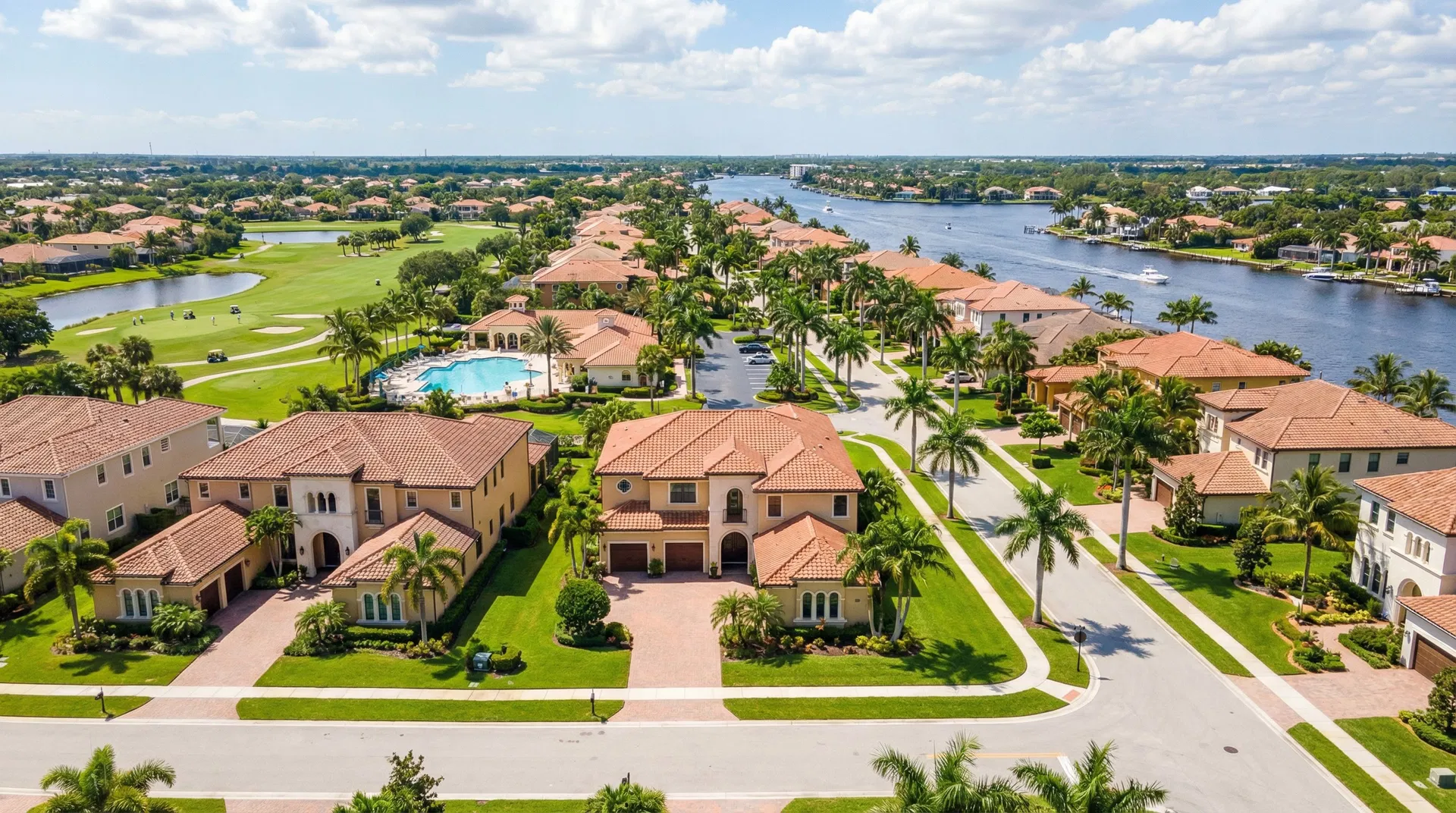

Ready to Explore Palm Coast?
Whether you're just starting to research or ready to schedule tours, we're here to help. No pressure, just honest local guidance.